





- 291 Views
- 5 Min Read
- (0) Comment
Highlights
- Nigeria’s travel woes with the UAE trace back to 2022. It began with Emirates flight suspension and trapped funds, plus UAE concerns about immigration breaches, basically a mix of commercial, financial, and immigration-control reasons.
- In mid-2024, Dubai visa issuance and flights were resumed after agreements and repayment of trapped funds, but under updated controls.
- In mid-2025, the UAE tightened access again. Transit visas for Nigerians were suspended. The 18–45 age group reported needing accompaniment, while older applicants faced strict proof-of-funds requirements.
- As of September 2025, we’re still following the new conditions closely. So far, no transit visa reliance, carry certified bank statements if required, prepare sponsor/accompaniment evidence, and apply via official channels (airline/consulate/VFS).
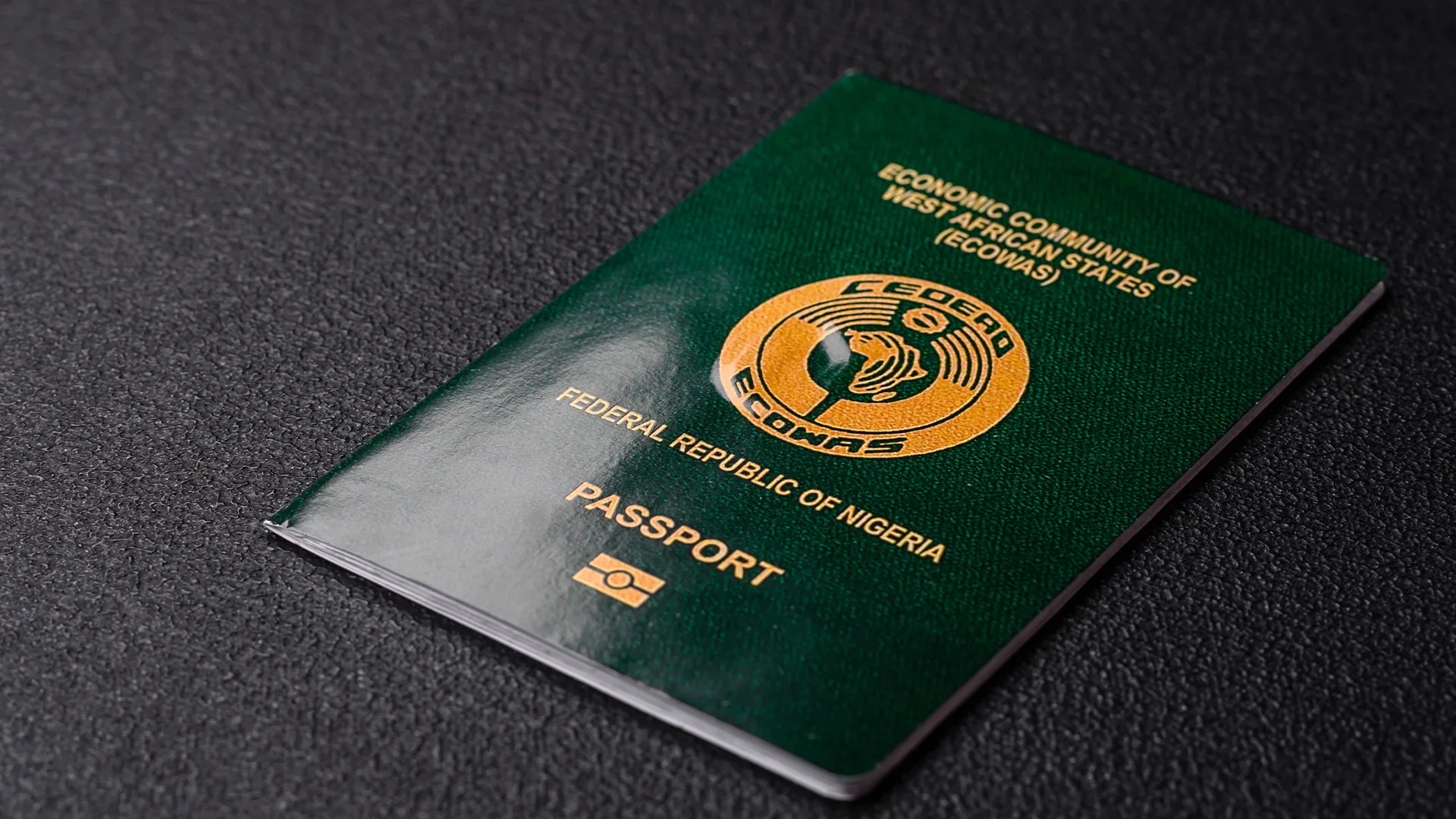
Travelling to the United Arab Emirates (UAE) as a Nigerian, or as a citizen of 17 other African countries, comes with its share of challenges and frustrations. Not long ago, Uganda joined the list of countries subjected to tighter visa restrictions, largely due to concerns about immigration abuse, among other factors.
Global visa processing platform Atlys reports that Dubai visa rejection rates have generally increased by 62% after the country introduced stricter visa regulations. It’s a change that’s had far-reaching implications not just for African countries but also Asian countries such as India.
For Nigerians, UAE visa requirements and conditions have only become tougher across all categories since the first suspension in 2022. Today, we take a look at how it all began and share the latest updates every citizen from this country should know.

How It Began: Dubai Visa Suspension In 2022
Early in 2022, the UAE suspended flights from Nigeria and several other African countries due to concerns over COVID-19. These flights were later reinstated for everyone, but the relief didn’t last long for Nigerians.
In September 2022, Emirates (the Dubai carrier) suspended flights to the country after reporting problems repatriating ticket revenue and “trapped” foreign-exchange funds. The resulting commercial/diplomatic dispute led the UAE to stop issuing visas to many Nigerian passport holders and to halt flights and visa services between the two countries.
This interruption to normal Dubai visa application and issuance was still extended to several other African countries, with the UAE citing allegations of improper conduct and attempts to circumvent visa rules as their reasons for doing so.
The Reversal / Resumption In Mid-2024
After negotiations and settlement of the blocked funds (Nigeria’s central bank cleared much of the backlog), the UAE announced an agreement with Nigeria to resume flights and restart visa issuance with “updated controls and conditions.”
The resumption was publicly announced in mid-July 2024 and framed as conditional (i.e., Nigeria Dubai visas would be reissued under stricter/updated procedures).
Although visa issuance resumed, UAE authorities continued to revise rules for Nigerians. In mid-2025, the UAE moved to tighten access again, specifically by suspending transit (short-stay) visas for Nigerian nationals and by placing new conditions on Dubai tourist visa entries (age- and finance-based conditions were reported).
Several news outlets in Nigeria reported that the July 2025 changes were communicated in the form of notices directed to travel agents, specifying that 96-hour transit visas would no longer be issued to Nigerian nationals.
In addition, Nigerians aged 18–45 were said to be ineligible for standard Dubai tourist visas unless accompanied or meeting certain conditions. For those 45 and older, stricter financial documentation was required, with media citing requests such as six months of bank statements showing minimum balances of up to USD 10,000.
These stricter visa rules, according to the UAE immigration, are aimed at reducing misuse of visa channels.In a statement mid-June 2025, the Nigerian government press office claimed not receiving any formal communication from the UAE on revised visa policy, stating it is liaising with UAE authorities and that visa issuance was progressing “in a gradual and orderly manner.”

New Dubai Visa Categories
In an effort to modernise their immigration policy, the UAE also introduced new visa categories and changes (effective August 10 2025). They include:
- AI Professionals Visa – For specialists in artificial intelligence. Available as a single- or multiple-entry visa, valid for 60 or 90 days, and extendable up to 120 or 180 days.
- Entertainment Visa – Issued to individuals participating in commercial gaming activities in the UAE. Valid for 30 days and renewable once for an additional 30 days.
- Events Visa – Grants entry for economic, cultural, sports, religious, educational, or community events. Stay durations of 30 or 60 days are permitted, with extensions possible up to 120 or 180 days.
- Tourist Visa for Cruise Ship and Leisure Boat Travellers – A 30-day multiple-entry visa for tourists arriving via cruise ships or leisure boats, extendable by another 30 days.
As with all UAE visa categories, each has specific requirements regarding duration, invitations, and hosts.
What Nigerian travellers must do as of September 2025 to obtain a UAE / Dubai Visa

1. Check which visa categories are (or are not) available to you right now
2. Understand age/escort rules
3. Prepare financial evidence (especially if aged 45+)
4. Standard document checklist (always required)
- A passport valid for at least 6 months.
- Completed visa application form.
- Recent passport-size photos (per specification).
- Confirmed hotel booking or proof of accommodation for the stay (or tenancy/host details if staying with a relative).
- Return (or onward) ticket.
- Copy of passport biodata page.
These are standard requirements on the Emirates/UAE official guidance pages and remain necessary. If you apply through airlines (e.g., Emirates) or VFS, follow their listed document list exactly.
5. Extra practical tips
- Contact the UAE mission in Lagos or an authorised visa centre before making non-refundable bookings
- Use a professional travel agent who has received the updated notices from Dubai immigration (agents received operational notices about the suspension of certain transit visas). Agents often have the latest implementation details for sponsors, accompaniment requirements, and acceptable proof of funds.
- Keep bank statements, hotel bookings and sponsor details ready and translated (if not in English). Where high financial thresholds are reported, certified bank statements are useful.
Dubai visa applications can be tricky, especially for those from the global south and Asia, but you don’t have to navigate them alone. At TravelPod, we guide you through every step of the visa process and take care of your bookings so that you can focus on the excitement of travel, not the paperwork.



Leave a comment: